Knowledge is the first step toward healing.
Whether you're struggling yourself or supporting a loved one, understanding addiction is a powerful tool. Our resource library is here to inform, guide, and reassure you — because asking questions is always the right move.
Addiction education & recovery guidance.
Written and reviewed by our clinical team. We believe informed families make better decisions — and that information should be free.

10 Warning Signs of Alcohol Addiction You Shouldn't Ignore
Understanding the early warning signs of alcohol use disorder can mean the difference between early intervention and years of struggle. Many people don't recognize they have a problem until significant damage has been done. Learn what to watch for — in yourself or someone you love.

How to Talk to a Loved One About Getting Help for Addiction
Starting the conversation about addiction is one of the hardest things a family member can do. This guide provides specific language, ideal timing, and evidence-based strategies for approaching someone who needs help — without triggering defensiveness or driving them away.
Understanding Relapse: Why It Happens and What To Do Next
Relapse is not a moral failure — it is a recognized, common part of the recovery process for many people. This guide explains the stages of relapse (emotional, mental, physical), why they happen, how to recognize them early, and how to respond constructively rather than with shame.

Dual Diagnosis: When Addiction and Mental Health Overlap
More than half of people with addiction also have an undiagnosed or untreated mental health condition. Learn why this happens, how each condition worsens the other, and why treating both simultaneously — not one at a time — is the only approach that consistently leads to lasting recovery.

Why Detoxing From Alcohol or Opioids at Home Can Be Deadly
Many people try to manage withdrawal on their own — and for some substances, this decision can be fatal. Alcohol and benzodiazepine withdrawal can cause life-threatening seizures. This guide explains the real medical risks and why supervised medical detox is not optional — it's essential.

Setting Boundaries With an Addicted Loved One: A Compassionate Guide
Healthy boundaries are not punishment — they are protection, for both you and your loved one. This guide helps families understand the difference between support and enabling, and provides practical, specific language for establishing the limits that make recovery more possible.
What addiction actually is — and isn't.
Addiction is a chronic, relapsing brain disease characterized by compulsive substance use despite harmful consequences. It is recognized as a medical condition by the American Medical Association, the American Society of Addiction Medicine, and the World Health Organization.
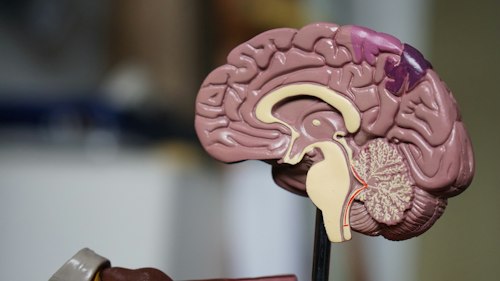
Addiction is not a character flaw, a moral failing, or a lack of willpower. People do not choose to become addicted. Addiction changes the structure and function of the brain — affecting areas responsible for reward, decision-making, impulse control, and stress — making continued substance use feel compelled, even when the person desperately wants to stop.
This is why willpower alone is rarely enough, and why professional treatment — like the kind we provide — produces far better outcomes than attempts to "just stop." Recovery is possible. But it requires the right support.
Common signs that professional help is needed:
- Using more of a substance than intended, or for longer than planned
- Repeated unsuccessful attempts to cut down or stop
- Spending significant time obtaining, using, or recovering from the substance
- Cravings or strong urges to use the substance
- Continued use despite it causing problems at work, school, or home
- Giving up important activities because of substance use
- Using the substance even when it causes physical or psychological harm
- Developing tolerance (needing more to get the same effect)
- Experiencing withdrawal symptoms when not using
If two or more of these apply to you or a loved one, speaking with a professional is strongly advised.
If you or someone is in crisis, help is available right now.
You don't have to be ready for treatment to reach out. If you or someone you know is in immediate danger, please use one of these resources.
Mountainside Recovery
Our admissions team is available 24/7, 365 days a year. Call us to talk — whether you're ready for treatment, not sure yet, or just need to hear a compassionate voice.
📞 (800) 555-0100SAMHSA National Helpline
Free, confidential, 24/7 treatment referral and information service for individuals and families facing mental health and substance use disorders.
📞 1-800-662-4357988 Suicide & Crisis Lifeline
Free and confidential support for people in distress, prevention and crisis resources for you or your loved ones, and best practices for professionals.
📞 988 (call or text)Crisis Text Line
Text-based crisis support, available 24/7. Trained crisis counselors respond in real time. Ideal for those who prefer not to speak on the phone.
💬 Text HOME to 741741Al-Anon Family Groups
A worldwide fellowship offering a program of recovery for the families and friends of alcoholics. Free meetings available in every state and country.
🌐 al-anon.orgNar-Anon Family Groups
A worldwide twelve-step program designed to help families and friends of people addicted to drugs, providing a supportive community and tools for healing.
🌐 nar-anon.orgStill have questions? Let's talk.
Our counselors are available right now to answer any questions about addiction, treatment options, insurance, or anything else on your mind. No pressure. Just help.
Free Assessment · Confidential · Most Insurance Accepted · Available 24/7